1 Aug 2026
Multiplier Cascades Reshape Feature Buy RTP Calculations in Contemporary Slot Designs
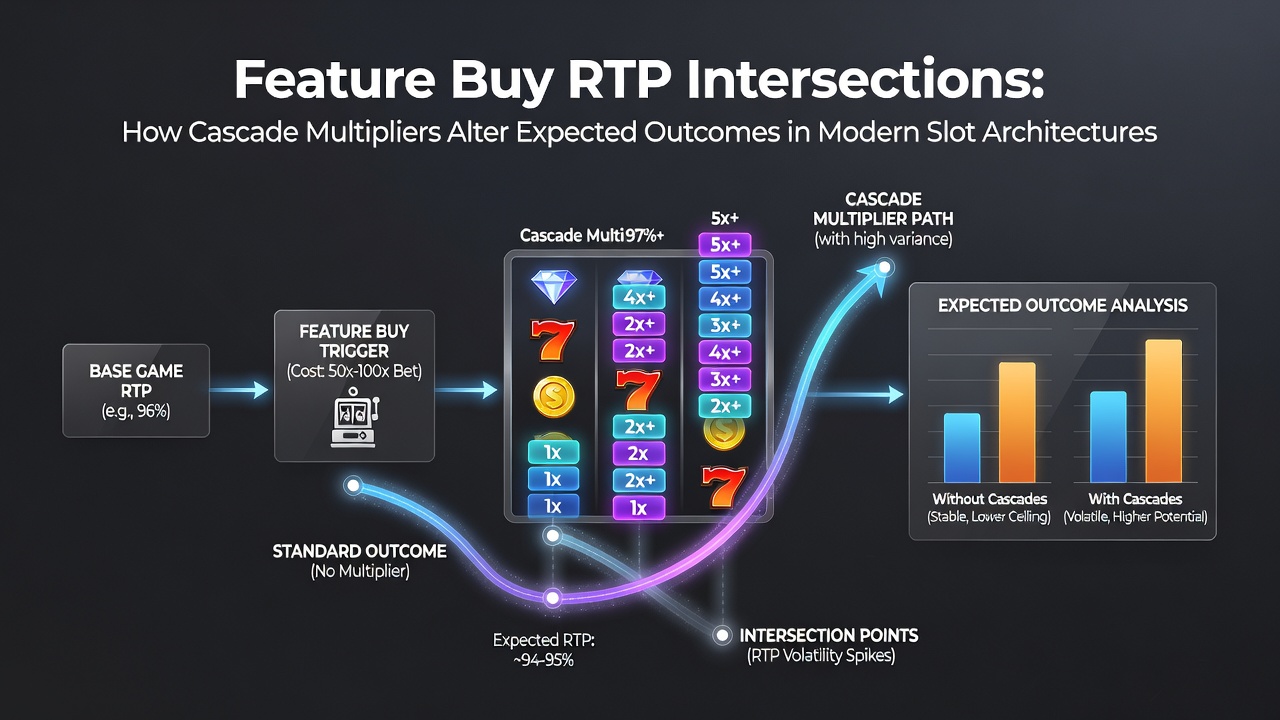
Modern slot architectures integrate feature buy options with cascade mechanics, and these combinations produce measurable shifts in return to player percentages. Researchers track how players purchase bonus rounds outright rather than triggering them through base game spins, which alters the distribution of outcomes when multipliers stack across successive cascades. Data from industry analyses shows that base RTP figures published for standard play often diverge once a feature buy activates because cascade sequences introduce additional layers of symbol removal and replacement that compound multiplier values on each drop.
Core Mechanics of Cascade Systems in Feature Purchases
Cascade mechanics operate through repeated symbol evaluations where winning combinations disappear and new symbols fall into place, and each successive cascade can apply an escalating multiplier in many titles. When players select a feature buy, the game jumps directly into a bonus state that frequently includes pre-set multiplier ladders or progressive multipliers that build faster than those available in base game play. Observers note that expected value calculations must account for the probability of extended cascade chains because each additional drop multiplies the payout by the current multiplier level rather than applying a flat award. Studies conducted on popular Megaways titles demonstrate that average cascade lengths increase inside bought features compared with organic triggers, which directly impacts the realized RTP for that specific session type.
Calculating RTP Intersections
Slot mathematics separates RTP into base game contribution and bonus round contribution, yet feature buys collapse these categories by forcing entry into the bonus state at a fixed cost. According to analyses from the Nevada Gaming Control Board, published RTP percentages assume a mix of base game and naturally triggered bonuses, so purchased features require separate modeling because the cost of entry replaces the frequency weighting that normally applies. Engineers adjust for this by recalculating the weighted average across all possible cascade outcomes within the bought round, which often produces a different effective RTP than the advertised figure. Those who model these systems report that short cascade runs reduce the overall return while extended chains with rising multipliers can exceed the nominal RTP by noticeable margins.
Multiplier Accumulation Patterns
Multipliers in cascade sequences typically reset or persist depending on the specific game rules, and this distinction matters when evaluating feature buy value. In titles where multipliers carry forward across the entire bonus, each new cascade adds to the running total and amplifies every subsequent win, which changes the distribution of payout sizes. Research indicates that games allowing persistent multipliers during bought features generate higher variance in outcomes because a single extended cascade sequence can deliver outsized returns while shorter sequences fall below the entry cost. Figures from multiple game providers reveal that average multiplier values at the end of purchased bonus rounds exceed those recorded in standard bonus triggers by factors ranging from 1.2 to 2.1 times, depending on the title architecture.

Expected Outcome Adjustments in August 2026 Data
Market reports released during August 2026 highlight continued growth in feature buy participation across European and North American markets, with several jurisdictions noting increased scrutiny of how operators display adjusted RTP information for these options. Regulatory bodies in multiple regions now require separate disclosure when feature buys produce materially different returns from base configurations. Engineers at development studios respond by publishing supplemental RTP tables that isolate cascade-driven outcomes, allowing players and analysts to compare the two play modes directly. These tables typically break down results by number of cascades achieved and final multiplier reached, providing clearer visibility into how the intersection of purchase mechanics and multiplier systems affects long-term expectations.
Comparative Examples Across Architectures
One study examined three distinct slot frameworks that combine feature buys with cascades, and the results showed consistent patterns despite differences in reel layouts and payline structures. In the first framework multipliers reset after each cascade chain concluded, which limited upside during bought rounds, while the second framework carried multipliers forward across the full bonus duration and produced wider payout spreads. The third framework incorporated random multiplier boosts during cascades, which further increased outcome variability. Data compiled across thousands of simulated sessions confirmed that feature buy RTP deviated from base RTP in all three cases, though the direction and magnitude of deviation depended on cascade frequency and multiplier persistence rules. Those modeling these systems emphasize that accurate evaluation requires full enumeration of cascade probabilities rather than reliance on headline RTP alone.
Conclusion
Feature buy options intersect with cascade multiplier systems in ways that require updated RTP modeling to reflect actual expected outcomes. Published percentages assume conventional play patterns, whereas direct purchases bypass those patterns and expose players to the full distribution of cascade results. Industry reports and regulatory disclosures continue to evolve in response, with August 2026 data underscoring the need for transparent separation of these play modes. Analysts and developers maintain that precise calculations incorporating cascade length probabilities and multiplier accumulation rules provide the clearest picture of how these mechanics alter returns in modern slot architectures.